

Reducing Washboards and Damage
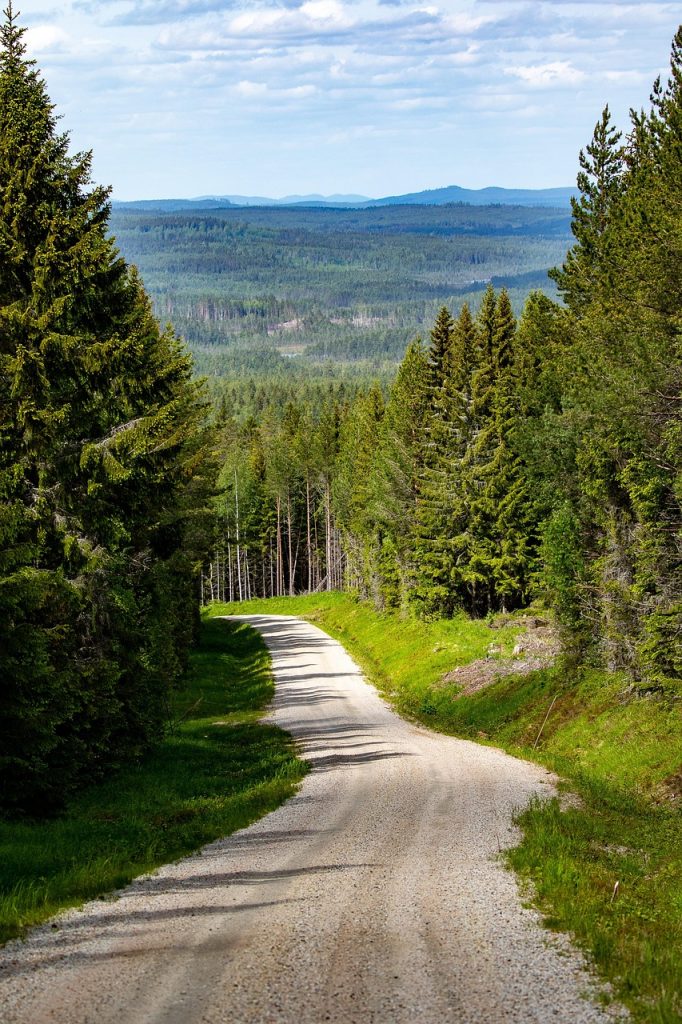
Washboarding, those annoying ripples in gravel roads, is primarily caused by vehicle speed, acceleration, and braking, especially in dry conditions. To mitigate their formation and reduce wear on your vehicle and the road itself:
- Adjust Your Speed: This is the most crucial factor. While it might feel smoother to “float” over washboards at higher speeds, this actually reinforces the corrugations and puts immense stress on your suspension. The best approach is often to slow down significantly, ideally to under 20 mph. This allows your tires to maintain better contact with the road, absorbing the bumps rather than bouncing over them. If the washboards are extremely severe, some experienced off-roaders might briefly increase speed to a “resonant frequency” where the bumps feel less jarring, but this should be done with extreme caution as it reduces tire contact and significantly increases risk.
- Smooth Acceleration and Braking: Avoid sudden starts and stops. Gradual acceleration and gentle braking reduce the horizontal forces that displace gravel and create washboards. Braking before curves and hills helps maintain control and minimizes road damage.
- Tire Pressure (Airing Down): For extended periods on rough gravel, slightly reducing your tire pressure (e.g., 5-10 PSI below your normal road pressure) can significantly improve ride comfort and traction. Softer tires conform better to the uneven surface, acting as an additional shock absorber. Remember to re-inflate your tires to recommended levels once back on paved roads to prevent damage.
- Utilize 4WD (If Available): Engaging 4-wheel drive (4WD HI) can help distribute power more evenly to all wheels, reducing tire slip and providing better control, especially on loose or undulating surfaces.
- Pick Your Line: Sometimes, the smoothest path isn’t directly in the middle. Look for lines where the washboarding is less severe, often near the shoulders (but be wary of ditches or hidden obstacles) or in the tracks of other vehicles that are traversing the bumps more smoothly.
- Inspect Your Vehicle: After driving on rough gravel, it’s a good practice to quickly check your vehicle for any loose components, especially in the suspension system.
Unwritten Rules of Dirt Road Driving:
Beyond the mechanics of driving, a code of conduct helps ensure safety and preserves the experience for everyone on dirt roads:
- Dust Control: When approaching other vehicles (especially oncoming traffic) or properties, slow down dramatically to minimize the dust cloud you kick up. This improves visibility for everyone and shows respect for those living alongside the road.
- Yield to Uphill Traffic: On narrow, winding dirt roads, vehicles traveling uphill typically have the right-of-way. It’s often harder for them to stop and restart on a grade.
- Yield to Non-Motorized Traffic: Always yield to hikers, cyclists, and especially equestrians. Slow to a crawl, create ample space, and be prepared to stop entirely for horses, as they can spook easily.
- Stay on Designated Paths: Do not drive off the established road. Creating new tracks leads to erosion, damages delicate ecosystems, and can lead to road closures. “Tread lightly” and respect the natural environment.
- Announce Your Presence (Blind Corners): On blind curves or crests, a quick, light tap of your horn can alert oncoming traffic, especially if the road is narrow.
- Maintain Safe Following Distance: On dusty roads, increase your following distance significantly to avoid driving blind in another vehicle’s dust cloud.
- Be Prepared: Always carry a spare tire, a basic toolkit, plenty of water, and consider informing someone of your travel plans when venturing onto remote dirt roads. Cell service can be spotty.
By following these guidelines, you can navigate the gravel roads safely, minimize impact on the road, and contribute to a positive experience for all who enjoy this special corner of the Jemez Mountains.



Very well done and informative, thank you for this article!
Your welcome Connie. Thank you for your comment!