We spend our lives navigating an invisible web of human connection. People drift into our orbits, anchor themselves in our hearts, and sometimes, just as quietly, drift away. In this dance, we quickly learn a profound truth: family is not always a matter of blood, and the bonds of a chosen friendship can hold a weight far heavier, and far stronger, than brotherhood or sisterhood.
Yet, despite our deep capacity for connection, we are often the architects of our own isolation. We let fear, judgment, and misunderstandings build walls where bridges should be.
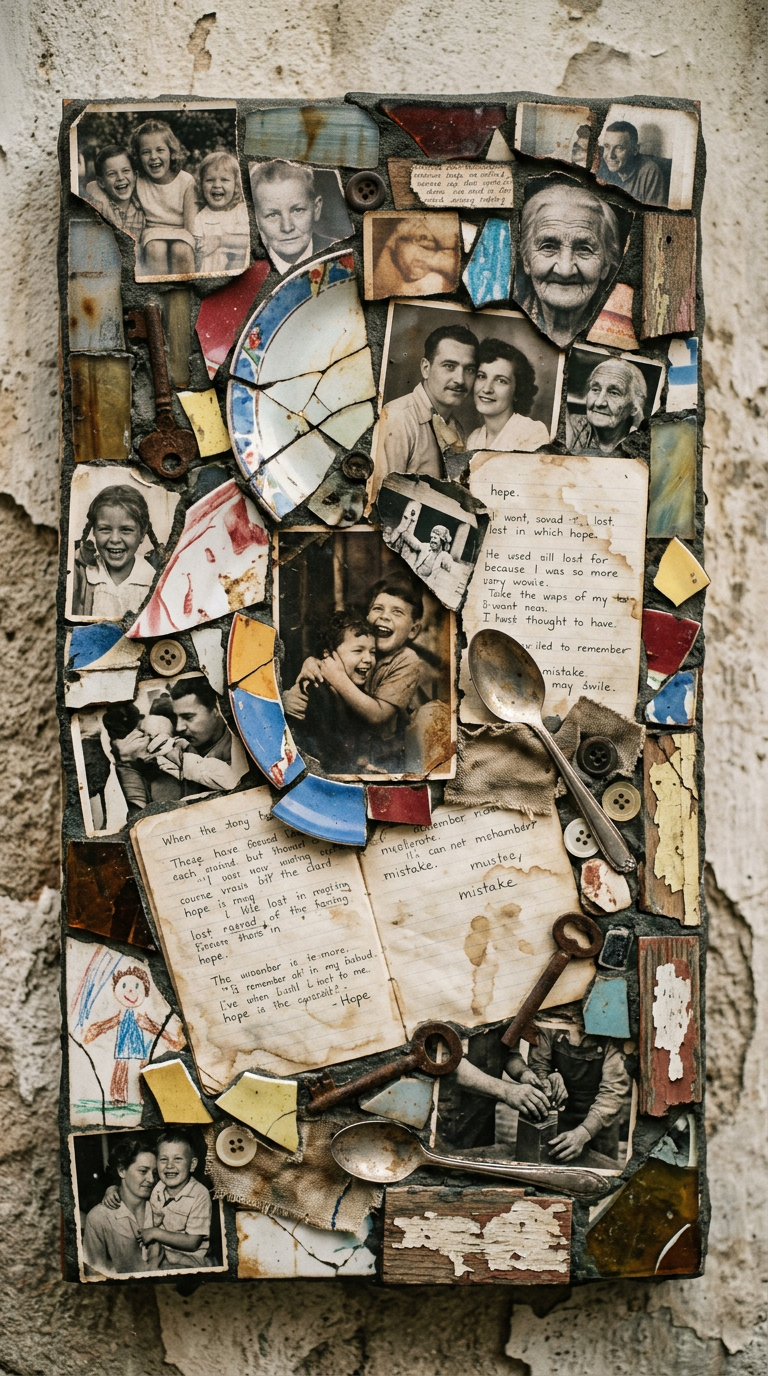
The Flawed Mosaic of Human Life
None of us are perfect. We are all beautifully, painfully flawed, navigating our own quiet battlefields. Yet, when we see someone else struggling or choosing a path different from our own, the human instinct is too often to attack or judge rather than understand.
This friction frequently arises when our definitions of success clash. Some of us desire nothing more than the simple things in life—peace, stillness, a quiet existence. But when those around us want more for us than we want for ourselves, frustration builds. They look at a simple life and mistake contentment for stagnation, believing we are holding them back.
Because of this, we are often forced to make choices that others won’t understand. Releasing a relationship, a job, or a lifestyle that no longer serves us might look like a mistake from the outside. To the onlookers, it may seem like failure or retreat. But to the individual, that release is nothing short of a profound, lifesaving relief.
To live authentically from the heart carries real consequences. When you finally decide to drop the act and show the world who you truly are, your raw honesty can feel like a threat to those who are still hiding.
The Cracks in the Mask
We all wear masks. We use them to face the world, to protect our vulnerabilities, and to fit into the boxes society carves out for us. But masks are not permanent. The more time we spend with people, the more the facade begins to fracture. And if we look closely through those cracks, we don’t see malice—we see a child.
We see the inner child who once faced a world that felt entirely too big, too threatening, and too empty. We see the child who learned that nobody was coming to save them, so they began to hide.
Think of how we adapt to survive our early years:
- The Performer: A child says something with absolute sincerity, only to be laughed at. To survive the humiliation, they learn to become the class clown, turning their genuine thoughts into a joke before anyone else can.
- The Shadow: Alternatively, that same child might choose to withdraw entirely, vowing never to speak up or be truly seen again.
- The Fighter: For those who endured abuse or trauma as children, the survival mechanisms are even more deeply entrenched. As adults, they operate on a hair-trigger. When they feel criticized or rejected, they aren’t just having an argument—they are actively fighting for their lives.

The more traumatic the childhood experience, the more intense the adult reality becomes. When triggered, the adult nervous system doesn’t know the difference between a past memory and a present conversation. They either crumble under the weight, or they put up their fists to fight.

From Shell-Shocked to Sovereign
In the modern world, many of us find it impossible to truly relax. We walk around with a shell-shocked nervous system, perpetually waiting for the other shoe to drop, living in a constant state of low-grade survival.
But healing begins with a radical realization: the immediate threat is over.
The ghosts of our past only have the power we choose to grant them in the present. Only those we allow into our inner sanctuary have the ability to affect us.
When we step back and look at the timeline of our lives, a shift in perspective happens. We are no longer the helpless children who had to hide, fight, or perform just to be safe. We are still here. We survived every storm, every heartbreak, every trauma, and every betrayal.