
Learn outdoors In Nature
Spirit of the Woods – A Forestry School for Families
Welcome to Spirit of the Woods
A Forestry School for Families Rooted in Nature, Learning, and Community
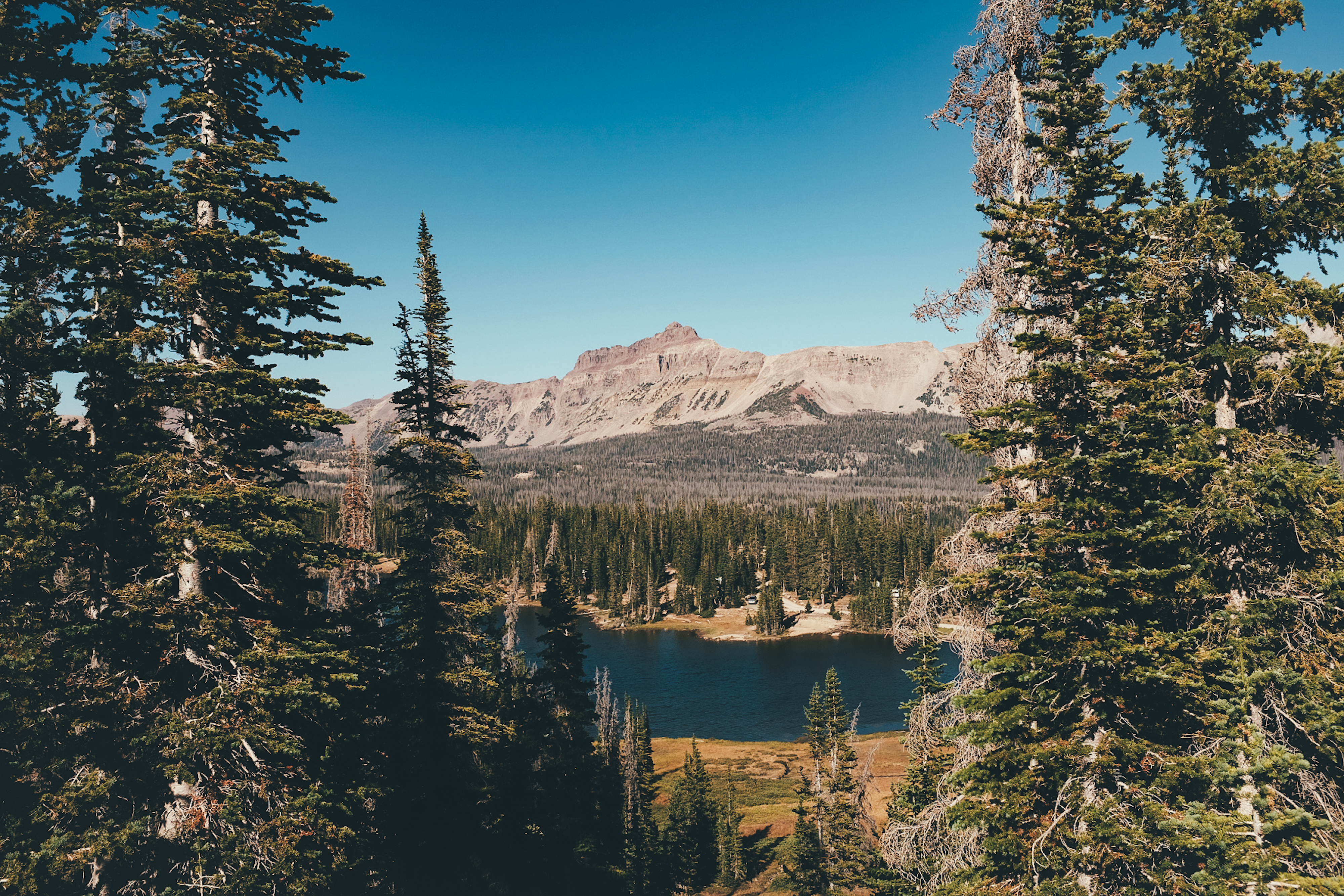
Nestled in the heart of the Jemez Mountains, Spirit of the Woods is more than a school — it’s a living classroom where children and families reconnect with the natural world, explore science and creativity, and grow together in a nurturing, outdoor environment.
Spirit of the Woods is
focused on !
Our Mission
We believe that education should be joyful, hands-on, and deeply connected to the Earth. Our mission is to provide children — especially homeschoolers and alternative learners — with a rich, nature-based education that supports their curiosity, creativity, and energy.
What We Teach
At Spirit of the Woods, learning is experiential, interdisciplinary, and child-led. Our curriculum blends:
- Nature Studies: Ecology, botany, wildlife tracking, and forest stewardship
- STEAM Exploration: Physics, math, art, and science through real-world, outdoor applications
- Creative Expression: Art, storytelling, music, and imaginative play
- Physical Activity: Hiking, climbing, building, and movement-based learning
- Community Values: Cooperation, empathy, and environmental responsibility
For Families & Homeschoolers
We support homeschooling families and those seeking an alternative to traditional education. Whether you’re looking for a full-time program or supplemental enrichment, we offer flexible options that fit your family’s needs.
- Day Programs (2-4 hours)
- Seasonal Camps (Overnight)
- Family Workshops & Events (4-5 hours)
- Parent Support & Community Gatherings
Why the Jemez Mountains?
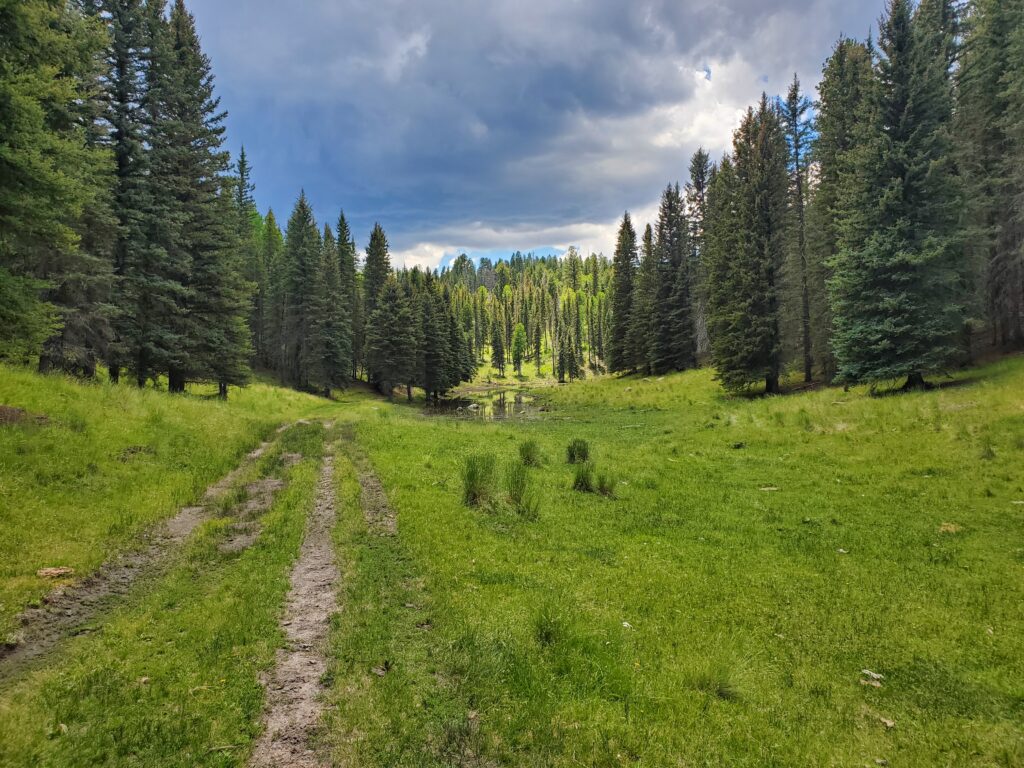
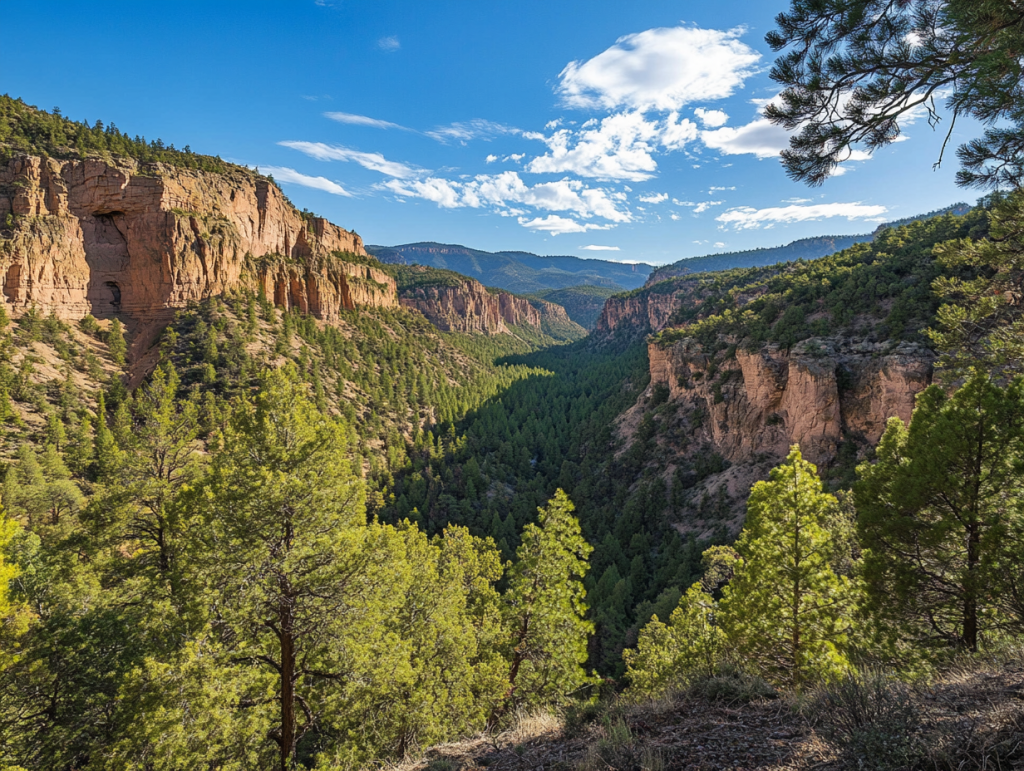
The Jemez Mountains are our classroom. With towering pines, volcanic cliffs, and abundant wildlife, this sacred landscape offers endless opportunities for discovery, wonder, and connection.
Community-Driven, Nature-Led
We are a community-rooted organization guided by the rhythms of nature. Our educators are passionate mentors who honor each child’s unique path and foster a deep love for learning and the land.
🍂 Fall Program Overview (September–November)
Start Date: September 1, 2023
Weeks Active: 11 (excluding Thanksgiving week)
This Program Is an Example Program and the official Program, which should be similar, will be posted once the details have been worked out.
📅 Weekly Breakdown
Week 1 – Sept 1
Activity: Leaf & Tree ID Scavenger Hunt
- Description: Identify and collect different types of leaves and trees.
- Materials: Leaf ID guide, bags for collection
- Steps: Walk through the forest → Collect leaves → Identify using guide
- Safety Tips: Avoid poisonous plants, stay on trails
- Learning Goals: Botany, observation skills
Week 2 – Sept 8
Activity: Shelter Building
- Description: Build a shelter using fallen branches and leaves.
- Materials: Branches, leaves, twine
- Steps: Gather materials → Construct shelter → Test stability
- Safety Tips: Ensure shelter is safe, avoid heavy branches
- Learning Goals: Engineering, teamwork
Week 3 – Sept 15
Activity: Nature Journaling
- Description: Observe and journal about nature.
- Materials: Journals, pens
- Steps: Find a quiet spot → Observe surroundings → Write observations
- Safety Tips: Respect wildlife, stay quiet
- Learning Goals: Writing skills, observation
Week 4 – Sept 22
Activity: Measuring Tree Height
- Description: Measure the height of trees using shadows.
- Materials: Tape measure, protractor
- Steps: Find a sunny spot → Measure shadow length → Calculate height
- Safety Tips: Avoid direct sunlight, use tools safely
- Learning Goals: Geometry, math skills
Week 5 – Sept 29
Activity: Building Bug Hotels
- Description: Create habitats for insects.
- Materials: Wood, drill, nails
- Steps: Gather materials → Construct hotel → Place in forest
- Safety Tips: Use tools safely, avoid disturbing insects
- Learning Goals: Ecology, engineering
Week 6 – Oct 6
Activity: Fire Building & Safety
- Description: Learn how to build and maintain a safe fire.
- Materials: Matches, kindling, firewood
- Steps: Gather materials → Build fire → Maintain safety
- Safety Tips: Keep water nearby, supervise closely
- Learning Goals: Survival skills, safety
Week 7 – Oct 13
Activity: Animal Tracking
- Description: Track and identify animal footprints.
- Materials: Tracking guide, notebook
- Steps: Walk through forest → Find tracks → Identify using guide
- Safety Tips: Avoid disturbing animals, stay on trails
- Learning Goals: Ecology, observation
Week 8 – Oct 20
Activity: Winter Poetry & Storytelling
- Description: Create winter-themed poems and stories.
- Materials: Paper, pens
- Steps: Find inspiration in nature → Write poems → Share stories
- Safety Tips: Respect others’ work, stay warm
- Learning Goals: Creative writing, expression
Week 9 – Oct 27
Activity: Planting Native Seeds
- Description: Plant seeds native to the area.
- Materials: Seeds, shovel, watering can
- Steps: Prepare soil → Plant seeds → Water regularly
- Safety Tips: Use tools safely, avoid overwatering
- Learning Goals: Botany, responsibility
Week 10 – Nov 3
Activity: Pond Dipping & Aquatic Insect ID
- Description: Explore pond life and identify insects.
- Materials: Net, ID guide, containers
- Steps: Dip net in pond → Collect samples → Identify insects
- Safety Tips: Avoid disturbing pond life, use tools safely
- Learning Goals: Ecology, observation
Week 11 – Nov 10
- Activity: Solar Oven Cooking
- Learning Goals: Solar science, cooking skills
- Description: Cook food using a solar oven.
- Materials: Solar oven, food items
- Steps: Set up oven → Place food inside → Monitor cooking
- Safety Tips: Avoid direct sunlight, use oven safely
❄️ Winter Program Overview (December–February)
Start Date: December 6, 2025
Weeks Active: 11 (excluding winter holiday weeks)
This Program Is an Example Program and the official Program, which should be similar, will be posted once the details have been worked out.
Week 1 – Dec 6
Activity: Snowflake Science
- Description: Study the structure of snowflakes and create paper models.
- Materials: Magnifying glass, paper, scissors
- Steps:
- Observe real snowflakes (Deepending On Weather)
- Learn about symmetry, geometry, and states of energy
- Make paper snowflakes
- Safety Tips: Dress warmly, avoid frostbite
- Learning Goals: Crystallography, symmetry
Week 2 – Dec 13
Activity: Animal Winter Survival
- Description: Explore how animals adapt to winter.
- Materials: Animal adaptation cards, books
- Steps:
- Read about adaptations
- Match animals to strategies
- Discuss findings
- Safety Tips: Stay in groups, avoid icy areas
- Learning Goals: Biology, critical thinking
Week 3 – Dec 20
Activity: Winter Solstice Celebration
- Description: Learn about and celebrate the shortest day of the year.
- Materials: Candles (LED), craft supplies
- Steps:
- Discuss solstice
- Make lanterns
- Share stories
- Safety Tips: Use safe lighting, supervise crafts
- Learning Goals: Astronomy, cultural awareness
Week 4 – Jan 3
Activity: Ice Experiments
- Description: Conduct experiments with ice and salt.
- Materials: Ice blocks, salt, food coloring
- Steps:
- Sprinkle salt
- Observe melting patterns
- Add color
- Safety Tips: Handle ice carefully, avoid ingestion
- Learning Goals: Chemistry, observation
Week 5 – Jan 10
Activity: Winter Tracking
- Description: Identify animal tracks in snow.
- Materials: Tracking guide, camera
- Steps:
- Walk in snow
- Find tracks
- Identify and document
- Safety Tips: Stay on trails, avoid deep snow
- Learning Goals: Ecology, observation
Week 6 – Jan 17
Activity: Snow Shelter Building
- Description: Build a quinzee or snow fort.
- Materials: Snow shovels, gloves
- Steps:
- Pile snow
- Hollow out shelter
- Test stability
- Safety Tips: Supervise closely, avoid collapse
- Learning Goals: Engineering, teamwork
Week 7 – Jan 24
Activity: Winter Bird Watching
- Description: Observe and identify winter birds.
- Materials: Binoculars, bird ID guide
- Steps:
- Find a quiet spot
- Watch birds
- Record observations
- Safety Tips: Stay warm, avoid disturbing birds
- Learning Goals: Ornithology, patience
Week 8 – Jan 31
Activity: Frozen Bubbles
- Description: Blow bubbles in freezing temperatures and observe patterns.
- Materials: Bubble solution, straws
- Steps:
- Blow bubbles
- Watch them freeze
- Take photos
- Safety Tips: Avoid windburn, supervise closely
- Learning Goals: Physics, observation
Week 9 – Feb 7
Activity: Winter Art in Nature
- Description: Create art using natural materials and snow.
- Materials: Twigs, berries, snow, food coloring
- Steps:
- Gather materials
- Design art
- Photograph creations
- Safety Tips: Use non-toxic materials, stay warm
- Learning Goals: Creativity, environmental appreciation
Week 10 – Feb 14
Activity: Tracking Local Wildlife with Trail Cameras
- Learning Goals: Wildlife monitoring, patience, technology use
- Description: Learn how to set up trail cameras to observe wildlife activity.
- Materials: Trail camera, batteries, SD card
- Steps:
- Choose a good location (near water or trails)
- Set up and secure the camera
- Review footage after a few days
- Safety Tips: Avoid disturbing wildlife, secure equipment properly
Week 11 – Feb 21
Activity: Winter Campfire & Storytelling
- Learning Goals: Community, communication
- Description: Gather around a fire to share stories and reflect.
- Materials: Firewood, matches, seating
- Steps:
- Build fire
- Share stories
- Reflect on season
- Safety Tips: Supervise fire, keep water nearby
🌱 Spring Program Overview (March–May)
Start Date: March 7, 2026
Weeks Active: 11 (excluding Spring Break week)
This Program Is an Example Program and the official Program, which should be similar, will be posted once the details have been worked out.
Week 1 – Mar 7
Activity: Signs of Spring Scavenger Hunt
- Description: Search for early signs of spring in nature.
- Materials: Scavenger hunt checklist, pencils
- Steps:
- Walk through the area
- Look for listed signs (buds, insects, birds)
- Check off findings
- Safety Tips: Stay on trails, watch for mud
- Learning Goals: Seasonal awareness, observation
Week 2 – Mar 14
Activity: Wildflower Identification
- Description: Identify native spring wildflowers.
- Materials: Wildflower guide, camera or sketchbook
- Steps:
- Explore meadows or trails
- Find and identify flowers
- Document findings
- Safety Tips: Don’t pick flowers, avoid allergens
- Learning Goals: Botany, local ecology
Week 3 – Mar 21
Activity: Bird Nest Building Challenge
- Description: Build model bird nests using natural materials.
- Materials: Twigs, grass, mud, string
- Steps:
- Gather materials
- Construct nest
- Test for strength and realism
- Safety Tips: Wash hands after handling materials
- Learning Goals: Animal behavior, engineering
Week 4 – Mar 28
Activity: Nature Mapping
- Description: Create a map of a local natural area.
- Materials: Paper, pencils, compass
- Steps:
- Walk the area
- Sketch landmarks and features
- Add labels and directions
- Safety Tips: Stay in groups, bring water
- Learning Goals: Geography, spatial awareness
Week 5 – Apr 4
Activity: Insect Safari
- Description: Search for and observe spring insects.
- Materials: Bug boxes, magnifying glass, ID guide
- Steps:
- Look under logs and leaves
- Gently collect and observe
- Identify and release
- Safety Tips: Handle insects gently, avoid stings
- Learning Goals: Entomology, respect for life
Week 6 – Apr 11
Activity: Stream Exploration
- Description: Investigate life in a local stream.
- Materials: Nets, containers, ID guides
- Steps:
- Scoop gently in shallow water
- Observe aquatic life
- Record findings
- Safety Tips: Wear water shoes, avoid slippery rocks
- Learning Goals: Aquatic ecology, observation
Week 7 – Apr 18
Activity: Nature Photography
- Description: Capture spring scenes through photography.
- Materials: Cameras or phones
- Steps:
- Explore with a focus on beauty
- Take photos of plants, animals, landscapes
- Share and discuss
- Safety Tips: Be mindful of surroundings, don’t disturb wildlife
- Learning Goals: Art, appreciation of nature
Week 8 – Apr 25
Activity: Garden Planning & Planting
- Description: Design and plant a small garden.
- Materials: Seeds, soil, tools, garden bed
- Steps:
- Plan layout
- Prepare soil
- Plant and water
- Safety Tips: Use tools safely, wear gloves
- Learning Goals: Gardening, responsibility
Week 9 – May 2
Activity: Cloud Watching & Weather Science
- Description: Learn about clouds and weather patterns.
- Materials: Cloud ID chart, notebook
- Steps:
- Observe sky
- Identify cloud types
- Record weather changes
- Safety Tips: Avoid sun exposure, stay hydrated
- Learning Goals: Meteorology, observation
Week 10 – May 9
Activity: Nature-Inspired Art
- Description: Create art using natural materials and themes.
- Materials: Leaves, twigs, clay, paint
- Steps:
- Collect materials
- Create sculptures or paintings
- Display and discuss
- Safety Tips: Use non-toxic materials, supervise tools
- Learning Goals: Creativity, environmental connection
Week 11 – May 16
Activity: Spring Celebration & Reflection
- Description: Celebrate the season and reflect on learning.
- Materials: Journals, snacks, decorations
- Steps:
- Share favorite moments
- Write reflections
- Enjoy a group celebration
- Safety Tips: Be inclusive, manage food allergies
- Learning Goals: Community, reflection
🌞 Summer Program Overview (June–August)
Start Date: June 6, 2026
Weeks Active: 11 (excluding Independence Day week)
This Program Is an Example Program and the official Program, which should be similar, will be posted once the details have been worked out.
Week 1 – Jun 6
Activity: Sun Safety & UV Experiments
- Description: Learn about sun protection and test UV-reactive materials.
- Materials: UV beads, sunscreen, black paper
- Steps:
- Apply sunscreen to beads
- Expose to sunlight
- Observe color changes
- Safety Tips: Wear hats and sunscreen, avoid peak sun hours
- Learning Goals: Health science, observation
Week 2 – Jun 13
Activity: Rock & Mineral Hunt
- Description: Explore local geology by collecting and identifying rocks.
- Materials: Rock ID guide, collection bags
- Steps:
- Search for rocks
- Compare with guide
- Sort and label
- Safety Tips: Wear gloves, avoid unstable terrain
- Learning Goals: Geology, classification
Week 3 – Jun 20
Activity: Solar Oven Cooking
- Description: Build and use a solar oven to cook simple foods.
- Materials: Pizza box, foil, plastic wrap, food items
- Steps:
- Construct oven
- Place food inside
- Monitor cooking
- Safety Tips: Supervise closely, avoid burns
- Learning Goals: Solar energy, engineering
Week 4 – Jun 27
Activity: Water Games & Hydrology
- Description: Play water-based games and learn about the water cycle.
- Materials: Buckets, sponges, water cycle diagram
- Steps:
- Play relay games
- Discuss evaporation and condensation
- Observe puddle evaporation
- Safety Tips: Stay hydrated, avoid slipping
- Learning Goals: Physical activity, science
Week 5 – Jul 11
Activity: Stargazing & Night Sky Navigation
- Description: Learn constellations and use star maps.
- Materials: Star charts, flashlights with red filters
- Steps:
- Review constellations
- Go outside at night
- Identify stars and planets
- Safety Tips: Stay in groups, bring warm layers
- Learning Goals: Astronomy, navigation
Week 6 – Jul 18
Activity: Nature Music & Sound Mapping
- Description: Explore natural sounds and create music.
- Materials: Recording device, natural objects
- Steps:
- Listen quietly
- Record or draw sound map
- Make instruments from nature
- Safety Tips: Respect wildlife, avoid loud noises
- Learning Goals: Music, sensory awareness
Week 7 – Jul 25
Activity: Orienteering Adventure
- Description: Use maps and compasses to navigate a course.
- Materials: Compasses, maps, markers
- Steps:
- Learn basic navigation
- Follow a course
- Find checkpoints
- Safety Tips: Stay with a buddy, bring water
- Learning Goals: Geography, problem-solving
Week 8 – Aug 1
Activity: Butterfly & Pollinator Study
- Description: Observe butterflies and learn about pollination.
- Materials: Butterfly nets, ID guide, notebooks
- Steps:
- Observe pollinators
- Identify species
- Record behavior
- Safety Tips: Avoid stings, don’t touch bees
- Learning Goals: Ecology, biology
Week 9 – Aug 8
Activity: Creekside Clean-Up
- Description: Help clean a local waterway and learn about conservation.
- Materials: Gloves, trash bags, tongs
- Steps:
- Walk along creek
- Collect litter
- Sort recyclables
- Safety Tips: Wear gloves, avoid sharp objects
- Learning Goals: Stewardship, teamwork
Week 10 – Aug 15
Activity: Nature Theater
- Description: Create and perform skits inspired by nature.
- Materials: Costumes, props, scripts
- Steps:
- Brainstorm ideas
- Rehearse skits
- Perform for group
- Safety Tips: Be inclusive, supervise props
- Learning Goals: Creativity, collaboration
Week 11 – Aug 22
Activity: Summer Reflection & Picnic
- Learning Goals: Community, gratitude
- Description: Reflect on the season and enjoy a group picnic.
- Materials: Journals, picnic supplies
- Steps:
- Write reflections
- Share highlights
- Celebrate with food and games
- Safety Tips: Manage food allergies, stay cool
Join the Spirit
Whether you’re a parent, educator, or curious explorer — we invite you to join our growing forest family. Come walk with us, learn with us, and grow with us.
💵 Seasonal Program Pricing
🎟️ Individual Student (11 Weeks)
- Tuition: $350 per season
- Registration & Materials Fee: $45 per participant
- Total per student: $395
- Drops-ins Allowed: $45 per student & Material costs for the class. Must register 1 week prior to class.
👨👩👧👦 Family Rate (2+ children)
- Tuition: $600 per season (covers all children in the family)
- Registration & Materials Fee: $45 per child
- Total for 2 children: $690
- Total for 3 children: $735
(and so on, adding $45 per additional child)