
Sierra Los Piños
News & Upcoming Events
McCauley Springs Fire Reaches 93% Containment: What’s Open, What’s Closed, and the Road to Recovery
JEMEZ SPRINGS, NM — Thanks to the relentless efforts of interagency hotshot crews and local…

Calling All Writers! Help Launch the New Library Poetry Club by Taking Our Survey
🖋️ Poetry Club is Coming Soon to the Jemez Springs Library! We are thrilled to…

The Neighbor Next Door: Trading Skills, Building Bonds
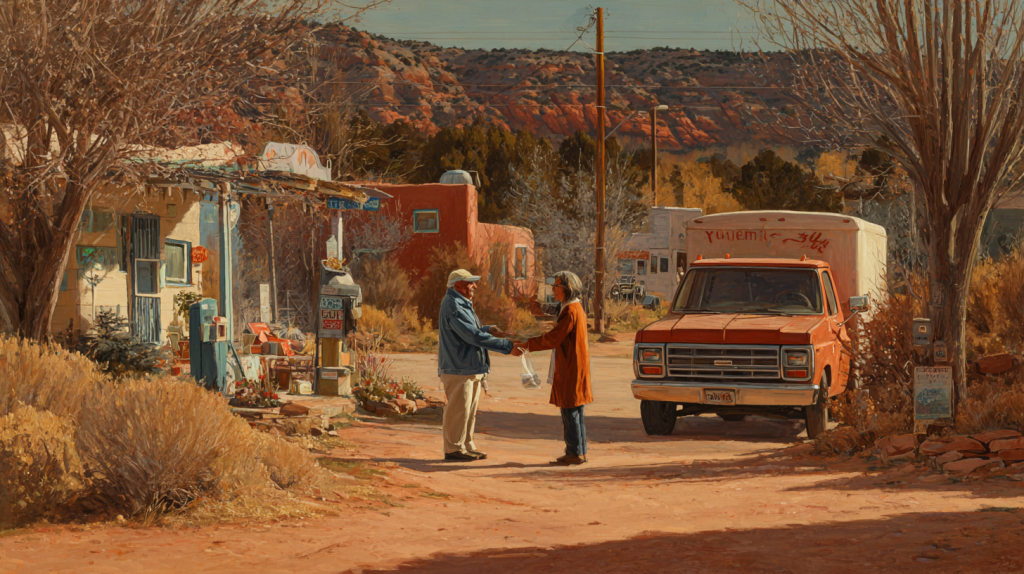
My passion for learning and building skills started young. I can still picture myself at…
The Neighborhood
Sierra Los Pinos provides a respite from the busy city life and offers an abundance of wilderness experience. In close proximity to nature, residents enjoy a relatively quiet and peaceful existence. Sierra Los Pinos (SLP) is a 380 acre, 10 unit, 181 lot subdivision. The subdivision was developed by Robert Bootzin in two stages. Units 1, 2 and 3 started in 1972 and development of Units 4-10 continued later. Some lots are still privately owned by the developer. The subdivision is approximately 20 miles from Los Alamos and 70 miles from Santa Fe and Albuquerque.

History
Whispers of the Past in Vallecitos de los Indios / Sierra los Pinos
Driving through the area now known as the Sierra los Pinos subdivision, it’s easy to be captivated by the modern homes and the quiet rhythm of mountain living. But beneath the surface of this contemporary community lies a rich and poignant history, a story that whispers of ancient Pueblo life and the rugged endeavors of early pioneers. This very location, once known as Vallecitos de los Indios, holds the echoes of a vibrant past.
Imagine, centuries before the sound of construction filled the air, this valley resonated with the life of a large Pueblo community. While time and development have erased much of the physical evidence, the name “Vallecitos de los Indios,” meaning “Little Valleys of the Indians,” serves as a powerful reminder of the people who first called this place home. Their daily lives, their traditions, their connection to this land – all unfolded here.
The stories passed down through generations speak of a connection to the spiritual heart of the Jemez Valley. It’s said that the dedicated priest serving the mission at the significant Pueblo of Guisewa, a testament to early Spanish influence, also extended his ministry to the people of Vallecitos de los Indios. Picture this solitary figure, making the arduous journey on his burro, ascending the winding path through Oak Canyon to reach this community. That very route, still known today as the Priest’s Trail, stands as a tangible link to this early interaction between cultures. It’s a testament to the commitment of individuals who traversed this rugged landscape, leaving their mark on the history of the valley.
Fast forward through time, and the character of Vallecitos de los Indios transformed once more. The discovery of timber resources turned this peaceful valley into a vital hub for the burgeoning logging industry. The hum of the sawmill replaced the sounds of Pueblo life, and the scent of freshly cut wood filled the air. For a time, this became a place of hard work and pioneer spirit, as families carved out a living from the bounty of the surrounding forests. This era left its own imprint on the land and the memories of those who lived and worked here.
However, the relentless march of progress has brought another significant transformation. The development of the Sierra los Pinos subdivision has, unfortunately, obscured much of the physical evidence of both the ancient Pueblo and the pioneer logging community. While the modern homes offer a comfortable lifestyle for today’s residents, it’s crucial to remember the layers of history that lie beneath.

As we navigate the streets of Sierra los Pinos, let’s take a moment to reflect on the whispers of the past. Let’s acknowledge the legacy of the Pueblo people who first cultivated this land and the hardy pioneers who followed. Though much has changed, the name Vallecitos de los Indios endures, a subtle yet powerful reminder of the deep roots that run through this place. By understanding and remembering these stories, we enrich our connection to the land and honor the generations who shaped the Jemez Valley we know today. Perhaps, as we walk the trails and observe the landscape, we can still sense the echoes of those who came before, carried on the mountain breeze.