

The Unique Charm of Cañon & Gilman in the Jemez Valley
Nestled within the breathtaking landscapes of the Jemez Valley, the distinct neighborhoods of Cañon, and Gilman offer a tapestry of natural beauty, rich history, and a strong sense of community. While each possesses its own unique character, they are united by the stunning surroundings and the tranquil pace of life that defines this special part of New Mexico.
Image Courtesy of Theodore Greer Photography

 37°F
- Temperature
- Precipitation
- Rain Chance
- Wind
- Humidity
- Pressure
- Snow

News
Calling All Writers! Help Launch the New Library Poetry Club by Taking Our Survey
🖋️ Poetry Club is Coming Soon to the Jemez Springs Library! We are thrilled to announce that a brand new Library Poetry Club is launching soon at the Jemez Springs Public Library! Are you a lover of verse, sonnets, free verse, or epic poems? Do you enjoy analyzing meter and…

The Neighbor Next Door: Trading Skills, Building Bonds
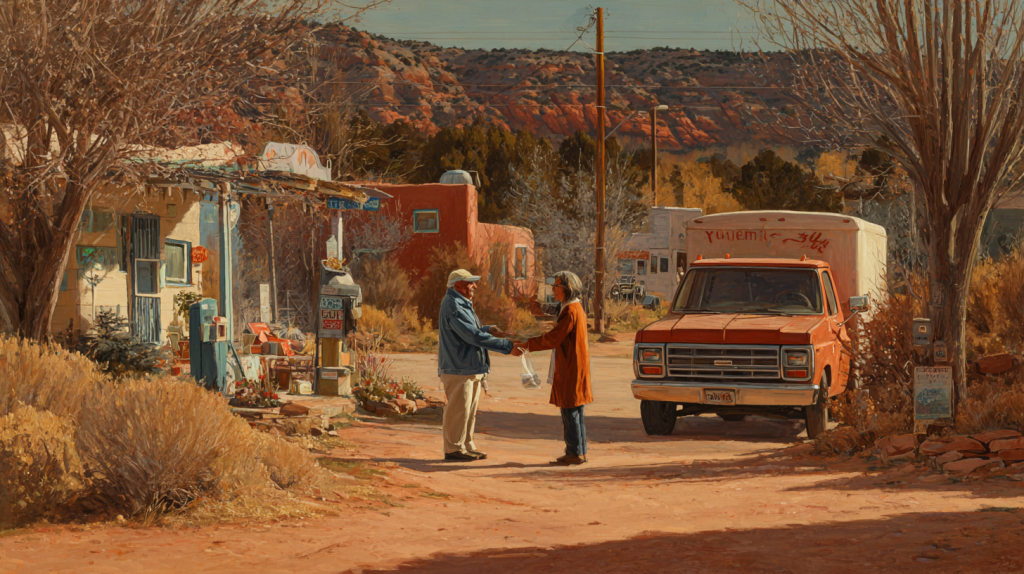
My passion for learning and building skills started young. I can still picture myself at five years old, drawing dinosaurs and struggling to master shading. While I wasn’t successful then, it’s a skill I continued to work on all the way through art school. That early curiosity set the tone…
Driving on Rough Gravel Roads
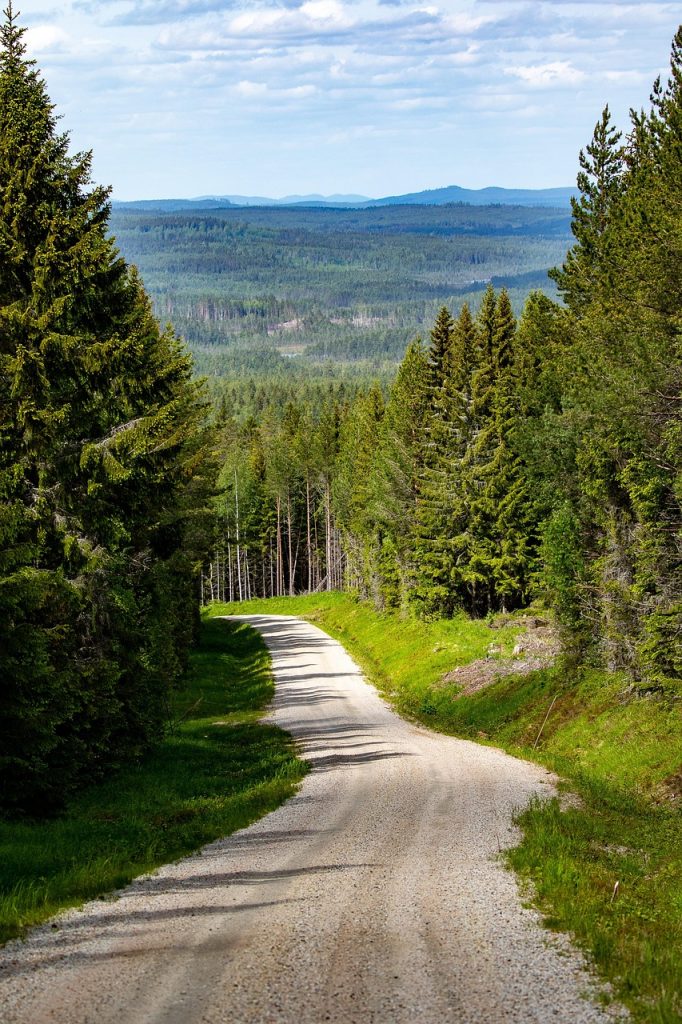
Reducing Washboards and Damage Washboarding, those annoying ripples in gravel roads, is primarily caused by vehicle speed, acceleration, and braking, especially in dry conditions. To mitigate their formation and reduce wear on your vehicle and the road itself: Adjust Your Speed: This is the most crucial factor. While it might…
Jemez Mountain Trail Sale: A community tradition returns!

Jemez Mountains Weekly Weather Report: August 15th – August 22nd, 2025
Your Guide to the Week Ahead in the Jemez Mountains: A 7-Day Forecast Planning a trip to the stunning Jemez Mountains? Whether you’re hiking, camping, or just enjoying the scenic drives, knowing the weather is key. This article provides a detailed 7-day forecast to help you prepare for your adventures….
Supporting Our Neighbors: The Power of Local Purchase
The Jemez Valley is more than just a place of breathtaking beauty; it is a vibrant community built on strong connections, shared values, and a deep respect for our heritage. One of the most powerful ways we can honor and strengthen these bonds is through our daily choices, particularly where…

Events
[upcoming_events keywords=”canon gilman” orderby=”event_start_date” order=”ASC” ]
Cañon: Gateway to the Valley
Located near the entrance to the Jemez Valley, Cañon often serves as a welcoming point for visitors. This area is characterized by its scenic views as you begin your ascent into the mountains. You’ll find a mix of residential areas and some local businesses that cater to both residents and those passing through.

What to Expect in Cañon:
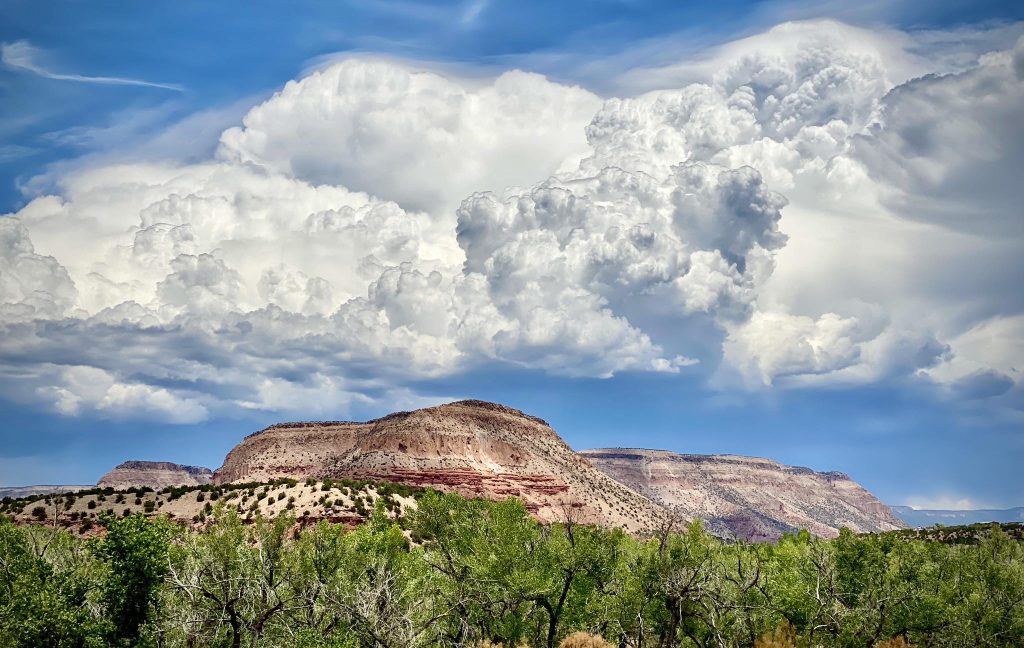
- The Cañon Landscape: a stunning display of deep red soil and striking rock formations, offering a truly unforgettable visual experience..
- Local Services: Find convenient amenities and small businesses.
- Residential Feel: Discover a mix of established and newer homes.
- Easy Access: Well-connected to the main highway leading further into the Jemez Valley.
Gilman: A Historic Legacy
Gilman holds a special place in the history of the Jemez Valley, particularly due to its association with the logging industry and the railroad that once served the area. While the bustling days of the past may have faded, Gilman retains a unique character with remnants of its history visible in the landscape and some of its remaining structures. The dramatic Gilman Tunnels are a notable landmark in this area.
Discovering Gilman:
- Rich History: Explore the remnants of the logging and railroad era.
- The Gilman Tunnels: A significant historical and geological landmark.
- Rugged Scenery: Surrounded by the dramatic terrain that once made logging a key industry.
- Sense of Place: A unique atmosphere steeped in the valley’s past.

History of the Cañon Area
The Cañon area’s history is deeply tied to the Cañon de San Diego Land Grant, a massive tract of land awarded by the Spanish crown in 1798. This grant was a strategic move to secure the northern frontier of New Spain, and it became a vibrant community where Hispanic and Native American cultures converged. The name “Cañon” itself is a direct reference to the dramatic geography, as the community was settled at the mouth of the deep canyons carved by the Jemez and Guadalupe rivers.
For generations, the people of Cañon lived a largely self-sufficient life, practicing agriculture on the fertile valley floor and using the common lands of the grant for grazing and timber. After New Mexico became a U.S. territory, the grant’s community-based ownership faced legal challenges. A series of lawsuits and sales ultimately led to the loss of the communal lands. In the early 20th century, the grant became a centerpiece of the region’s logging boom, with companies acquiring timber rights and beginning the large-scale extraction that would forever change the landscape. This new era of industry brought an influx of loggers and railroad workers, fundamentally altering the way of life in the Cañon area.
History of the Gilman Area
The history of Gilman is a story of industrial ambition and the raw power of nature. It begins in the 1920s with the construction of the Santa Fe Northwestern Railway, a logging railroad built to harvest the rich timber resources of the Cañon de San Diego Land Grant. The most famous feature of this history are the Gilman Tunnels, which were blasted through the canyon’s sheer red rock walls. This feat of engineering was necessary to get the railway through the narrowest and most rugged part of the canyon. The tunnels and a major logging camp in the area were named for William H. Gilman, a vice president of the railroad.
For nearly two decades, the train’s whistle echoed through the canyon as it hauled logs from the high Jemez forests to a sawmill in Bernalillo. This era of logging created a bustling industrial hub at Gilman, with a community of workers and a constant flow of trains. However, this period came to an abrupt end in May 1941, when a severe flood washed out a three-mile section of the railway. The damage was too extensive and costly to repair, leading to the abandonment of the tracks. The railroad ties and rails were salvaged for the war effort, and the grade was eventually converted into Forest Road 376. The Gilman Tunnels remain a spectacular monument to the logging history and a testament to the powerful forces that shaped the Jemez Valley.
Plan Your Visit to the Cañon & Gilman Area
The Cañon and Gilman areas offer a blend of natural beauty and historical intrigue, making them perfect destinations for a day trip. Here’s what you need to know to plan your visit:
Cañon Area
- Getting There: The community of Cañon is located along NM Highway 4, just north of the Cañon de San Diego Land Grant’s original boundaries. It is a scenic drive from Bernalillo or Los Alamos.
- What to Do: This is a great spot for scenic drives and photography. The Cañon area is known for its stunning views of the Jemez River as it carves its way through the valley. It’s a key access point for hiking and exploring the Santa Fe National Forest. Be sure to stop at the overlooks for panoramic views of the red-rock cliffs.
- Amenities: There are limited amenities in the immediate Cañon area, so it’s best to bring any food, water, or supplies you need.
Gilman Area
- Safety Tip: The canyon walls are steep and prone to rockfall. Exercise caution when stopping to take photos, and do not climb on the cliffs. It’s a great idea to check the weather before you go, as flash floods can be a hazard in narrow canyons.
- Getting There: The Gilman Tunnels are a famous feature along Forest Road 376 (FR 376), which can be accessed from NM Highway 4. Note: Please be aware of current road conditions. FR 376 is a dirt road and can be rough in places, especially after rain or snow.
- What to Do: The primary attraction is the drive through the historic Gilman Tunnels. These hand-blasted tunnels offer a unique and memorable experience. The area is also popular for hiking, mountain biking, and exploring the remnants of the old railroad grade. Be sure to check with the Jemez Ranger District for any road closures or seasonal restrictions.
Venues:
[event_venue id=’6046′]
Dining:
[event_venue id=’4605′]